


.svg)
If you’ve ever wandered through Istria, you know the feeling. Warm stone towns perched on hilltops. Silvery olive groves stretching toward the sea. Vineyards turning gold in the late afternoon sun. It is a region where time slows down and where food is more than something you eat. It is a part of life, tradition, and identity.
This winter brought wonderful news for all who love Istria and its flavors. On 10 December 2025, the European Commission officially confirmed that Istrian Goat Cheese has been granted the Protected Designation of Origin label. This means the cheese is now recognized and protected throughout the entire European Union. Whenever you see the PDO sign on its packaging, you can be sure you are holding the authentic product, made exactly the way tradition intended.
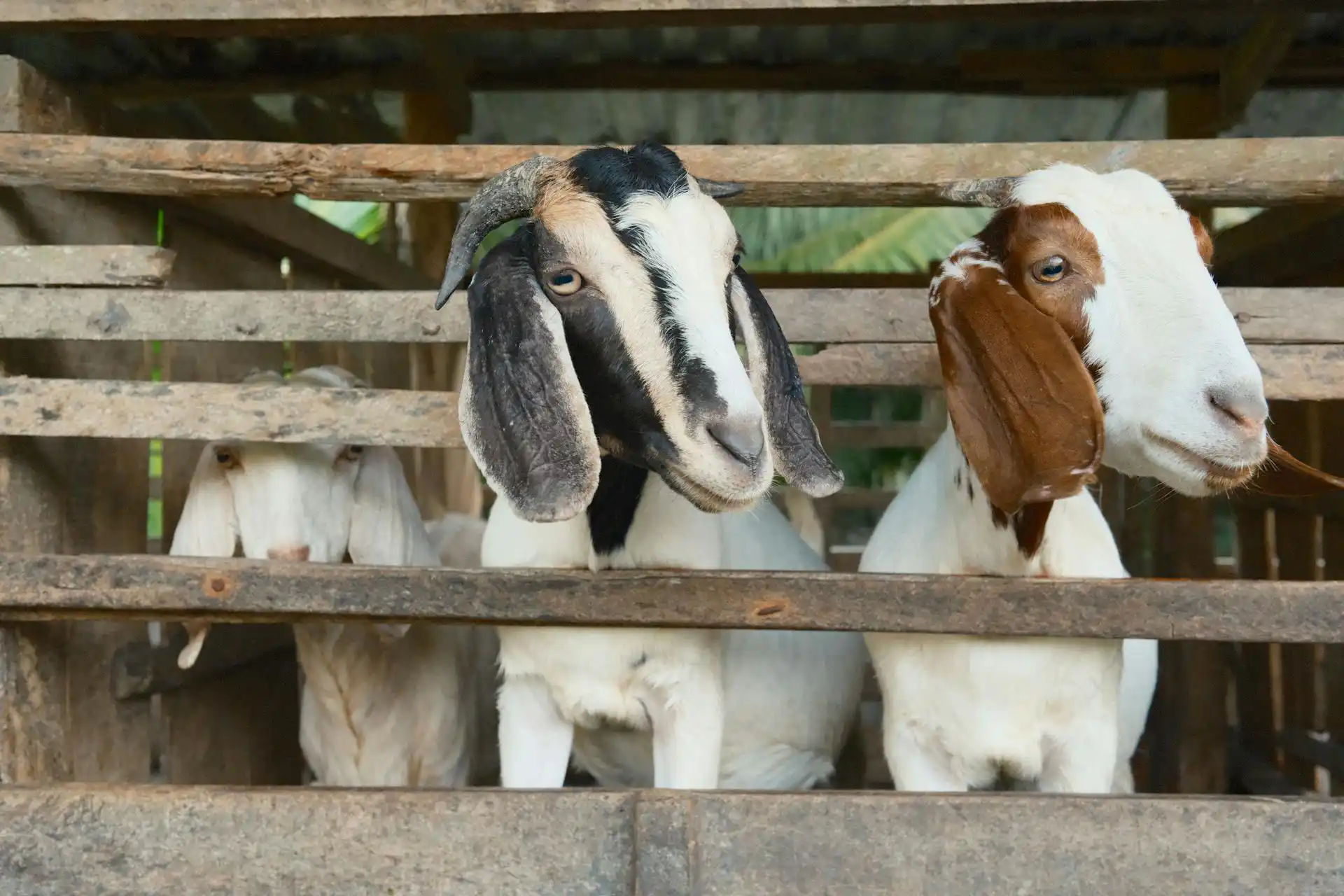

Photo credit:
Pexels.com
A Cross-Border Project Rooted in History
The path to this recognition was a shared journey between Croatian and Slovenian shepherd associations. The Croatian Association of Breeders of the Istrian Goat and Sheep and the Slovenian Zveza društev rejcev drobnice Slovenije each initiated the protection process within their own countries. When both national procedures were completed, they submitted a joint request to the European Commission. With Istrian goat cheese joining the list, Croatia now boasts 52 agricultural and traditional products protected at the EU level. Each one tells a story about its region, and this cheese proudly adds a new chapter to Istria’s rich culinary heritage.
What Makes This Cheese So Special
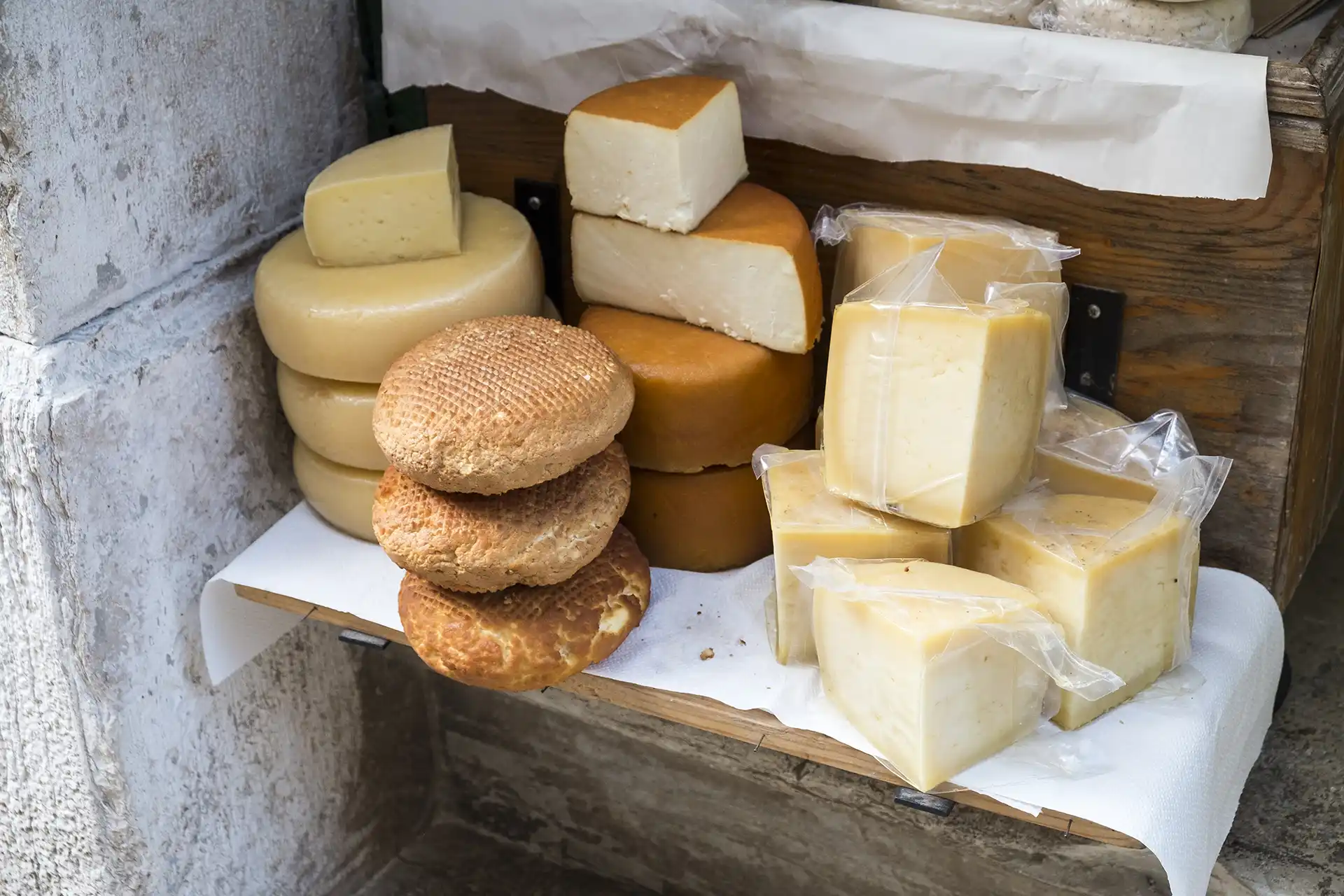
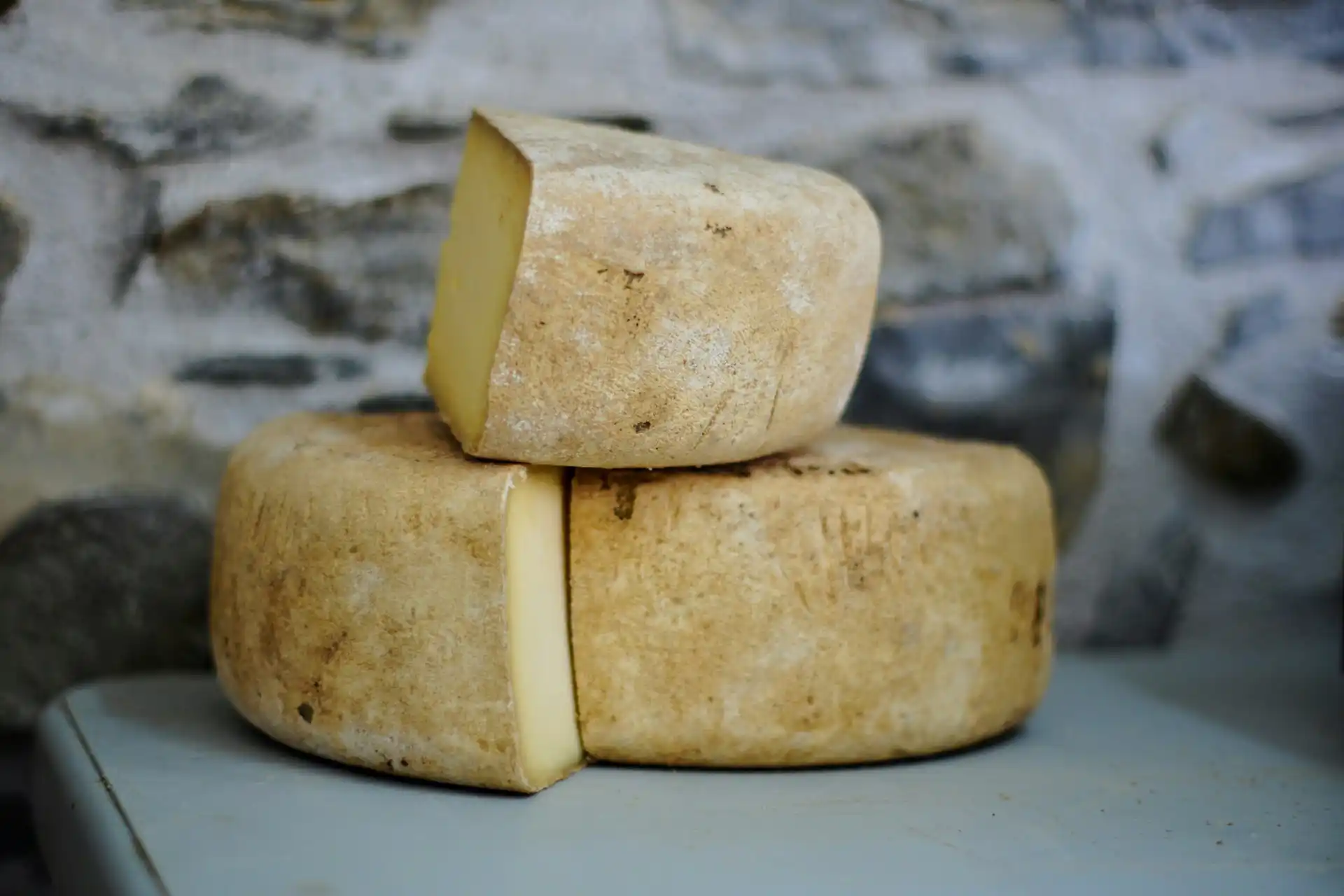
Istrian goat cheese is a small masterpiece shaped by land, animals, and people. It is a hard, full-fat cheese made from raw or pasteurized goat’s milk. Producers form it into round wheels with a smooth rind that varies from yellow-brown to deeper earthy tones. Slice into it, and you’ll find a creamy interior glowing in shades of ivory or straw.
The texture is firm yet pleasantly sliceable, sometimes offering a gentle crumble that feels perfectly natural for a traditionally aged cheese. Its flavor is rich and nourishing, with a touch of saltiness and a lively piquancy that reflects the character of the region. You can sense the quality of the goat’s milk and the influence of wild herbs and plants that flourish across Istria’s open pastures. As the cheese matures, its aroma deepens, and its flavor grows more expressive, eventually melting beautifully on the tongue with long-lasting, layered notes.
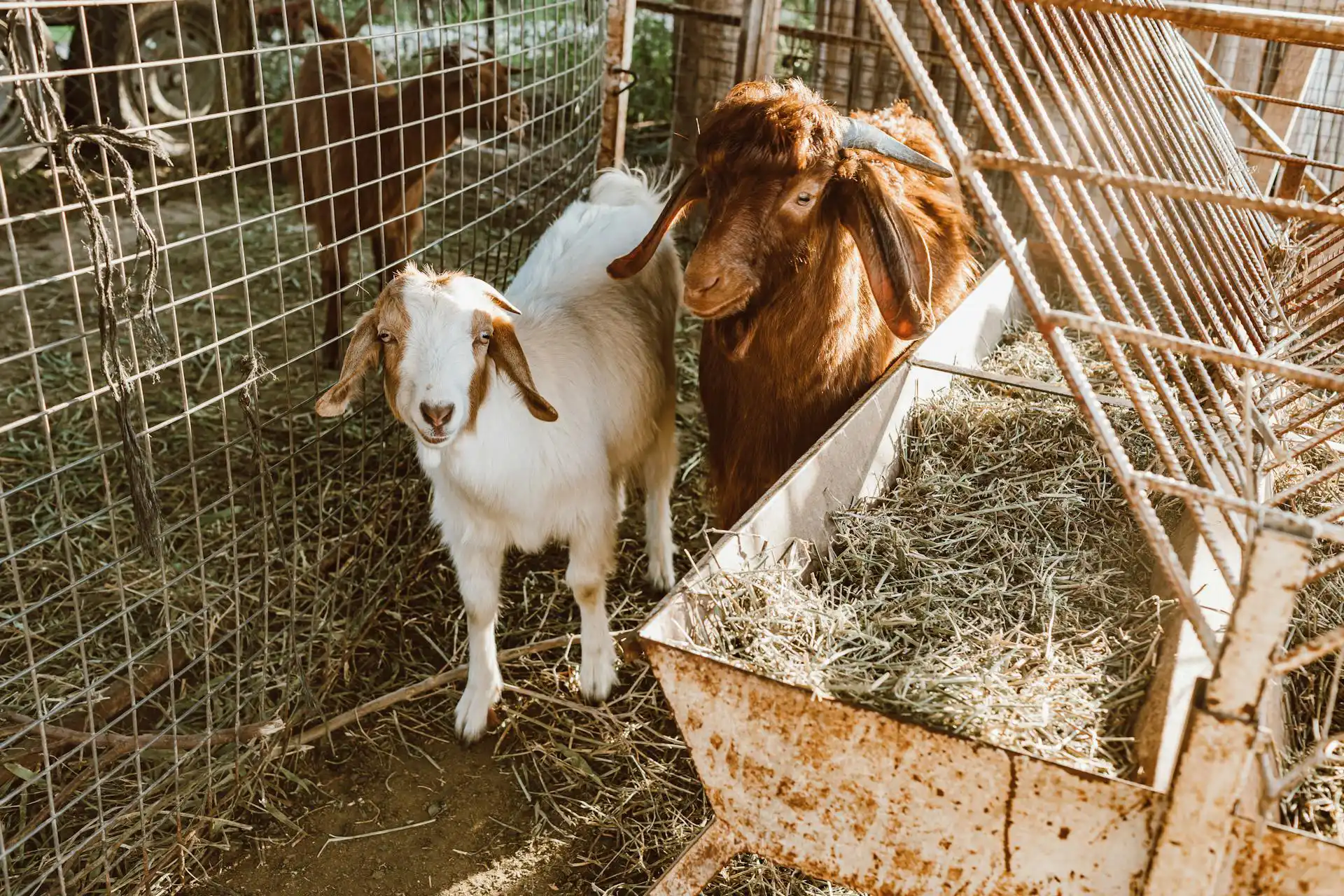
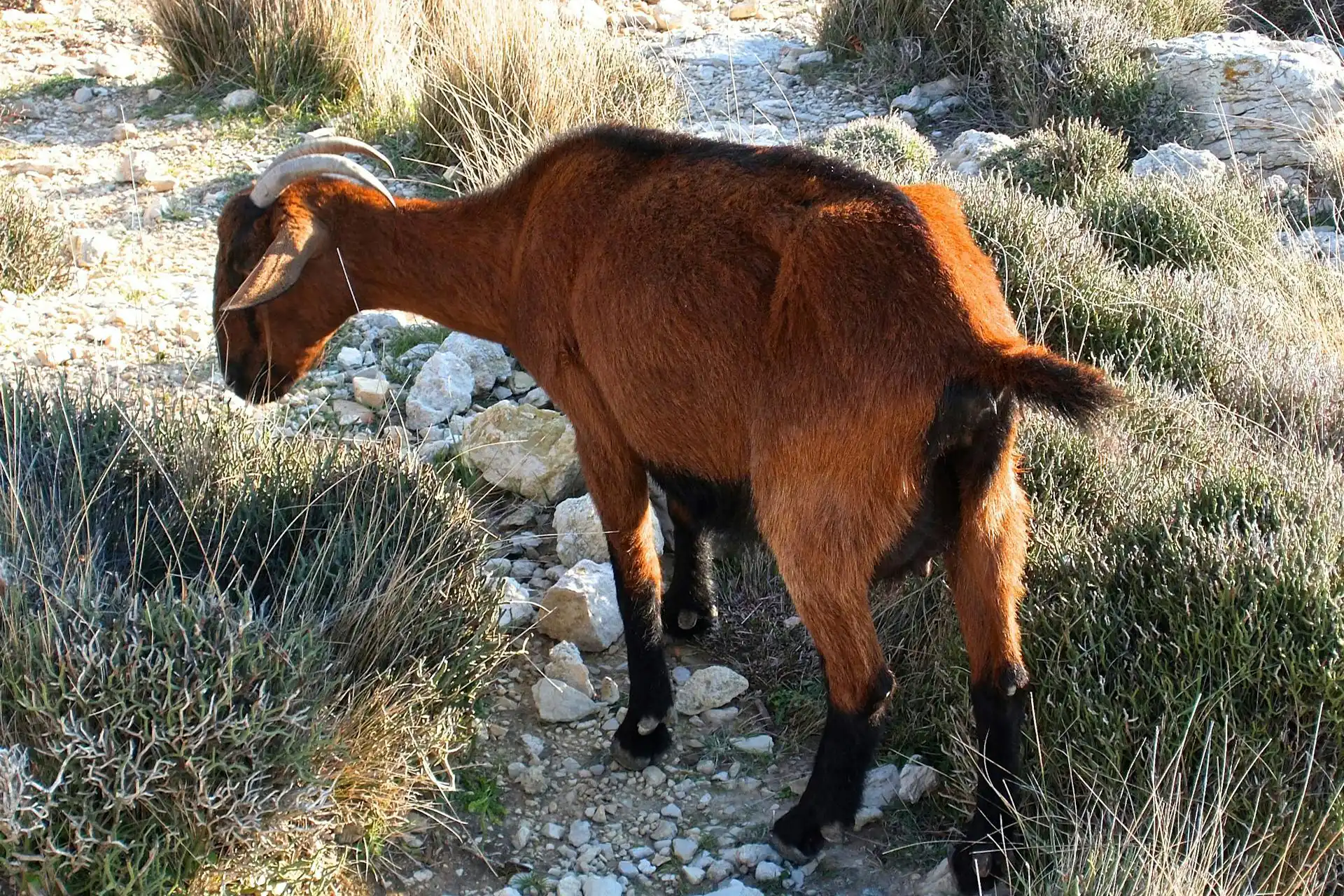
This unique profile is the result of the semi-extensive grazing method practiced in Istria, the composition of milk from the local breed known as istarska pramenka, and generations of craftsmanship passed from one cheesemaker to another.

A Taste Worth Seeking Out
If you’re planning a trip to Istria, tasting this cheese should be as essential as wandering the cobblestones of Grožnjan or watching the sun dip behind Rovinj’s bell tower. Many family farms and small dairies welcome visitors with tastings, short tours, and a glimpse into their everyday work. Meeting the people behind the cheese adds a warmth and authenticity that makes the experience even more memorable.
Pairing the cheese with local wine is part of the pleasure. A chilled glass of Malvazija brings out the cheese’s gentle piquancy with its fresh, aromatic profile. Those who prefer red wine will find that Teran, the region’s bold, earthy favourite, highlights the deeper notes of aged wheels. Enjoy the cheese with a drizzle of Istrian olive oil and a slice of rustic bread, and suddenly you’re savoring a simple but unforgettable moment that captures the essence of the peninsula.
Photo credit:
Shutterstock.com, Pexels.com, Unsplash.com, Pixabay.com


